

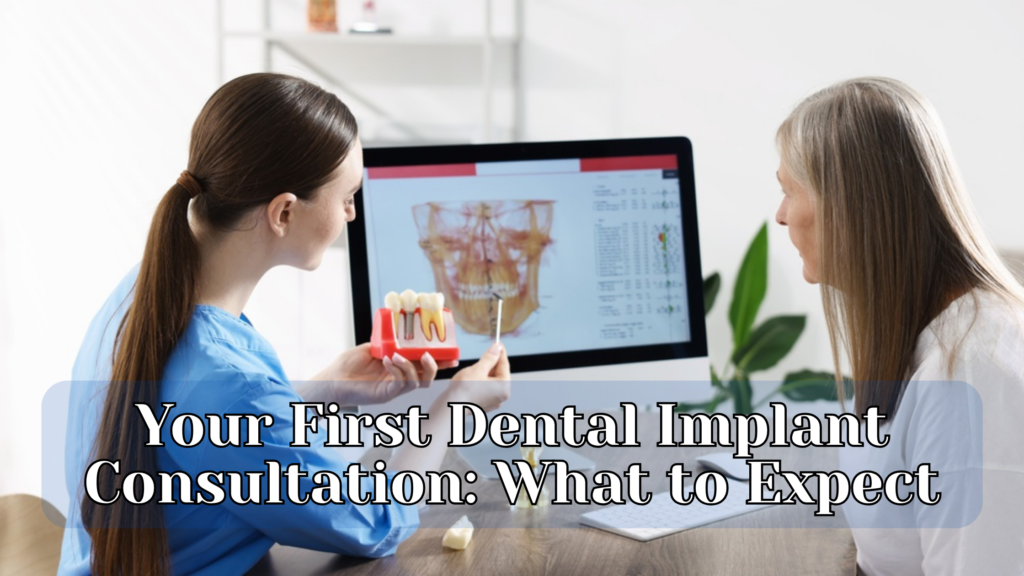
A missing or damaged tooth could reduce your confidence and affect everyday activities, from enjoying meals to speaking comfortably and smiling with confidence. Dental Implant treatment would give a long-term replacement option, but choosing the right treatment starts with understanding your personal needs.
Your First Dental Implant Consultation helps you understand those options with a qualified dental professional. During the appointment, your dentist would review your medical history, check your mouth, understand if an implant would be suitable, and discuss the potential costs and treatment timeline. If you are considering dental implants in Chicago, visiting a qualified provider such as Kedzie Dental Clinic could help you explore your treatment options.
You do not need to get to know every answer. Knowing what happens during the consultation could help you prepared, ask important questions, and make an informed decision without feeling rushed.
What Is a Dental Implant Consultation?
A Dental Implant Consultation is a checkup to understand if implant treatment would be right for replacing a missing tooth or one that cannot be saved. If you are looking for a dental implant consultation in Chicago, your dentist can evaluate your individual needs and discuss suitable treatment options.
A Dental Implant is a small device, commonly made from titanium or another biocompatible material, that is placed in the jawbone to support a replacement tooth. Some implants use zirconia instead. After right healing, the implant could support a crown, bridge or denture, depending on the treatment plan.
During your first visit, the dental professional checks your oral health, medical history, and jawbone anatomy. The appointment would take around 30 to 60 minutes. The duration could depend on needs and if additional checkups are necessary.
What Happens During Your First Dental Implant Consultation?
Discuss Your Dental History and Treatment Goals
Your appointment would start with a conversation about your dental concerns. Your dentist would ask when you lost the tooth, if you experience pain, and what you hope to achieve with treatment.
You want to restore chewing function, improve the look of your smile, replace an uncomfortable denture, or understand the right treatment options.
Your medical history is equally important. Be prepared to discuss:
- Current medications, vitamins, and supplements.
- Medical conditions, allergies, and previous surgeries.
- Gum disease, previous dental procedures, or healing difficulties.
- Smoking, tobacco, or nicotine use.
- Any previous problems with anesthesia or surgical treatment.
Certain medical conditions, medications, and lifestyle factors would affect healing or treatment planning. Share accurate information and never change medication without advice from your healthcare professional.
Undergo an Oral Examination
Your dentist would check your teeth, gums, bite, and the area where the implant would be placed. They would check for gum inflammation, infection, tooth decay, and changes in the surrounding tissues. The damaged tooth is still present, the dentist would understand it could be restored or whether extraction should be considered. If the tooth is already missing, the examination would focus on the available space, neighboring teeth, and the condition of the tissues.
The findings help identify any problems that need attention before implant treatment. For example, active gum disease or an untreated infection would need treatment first. This also helps your dentist to consider how the replacement tooth should fit with your existing teeth and bite.
Understand Whether Dental Imaging Is Needed
Your dentist would advise dental X rays or a three-dimensional scan, such as cone beam computed tomography (CBCT), when clinically right. These images could help understand the jawbone, nearby nerves, sinus cavities, and other anatomical structures relevant to implant placement. Dental Implant X-rays and 3D Imaging help your dentist assess the area before recommending treatment.
Imaging needs vary, so a three-dimensional scan is not important for every patient. Technologies such as Galileos 3D imaging may be used when clinically appropriate to help evaluate jaw anatomy and plan implant placement. Ask your dentist to explain the findings in straightforward language. Understanding the anatomy of your case could help you see why a particular treatment is being suggested.
Find Out Whether You Are a Suitable Candidate
After checking your health history, examination findings, and any necessary imaging, your dentist would discuss if dental implants are a perfect option. Many factors like suitability, condition of your gums, available bone, overall health, healing considerations, and ability to maintain good oral hygiene. If bone support is not enough, then bone grafting would be considered. Some patients would need periodontal treatment or extraction before implant placement. These additional steps could affect the treatment sequence, expense, and overall duration.
Review Your Treatment Plan and Expected Timeline
If you are a right candidate, your dentist would explain the proposed treatment stages. Your dental implant treatment plan would depend on your circumstances and could be preparatory treatment, implant placement, healing, and fitting the final replacement tooth.
After placement, the jawbone bonds with the implant through a process called osseointegration. The time needed for healing could be different according to the implant site, health, and if additional procedures are needed.
Some patients would qualify for temporary or permanent restoration, while others need a longer healing period before the final tooth could be fitted. The right method depends on clinical findings and implant stability.
Compare Alternatives to Dental Implants
An implant is not the only way to replace a missing tooth. Your dentist would tell you other options, It depends on your oral health and preferences.
- Dental bridge: Replaces a missing tooth with the help of neighboring teeth or implants, depending on the design.
- Removable partial denture: Replaces one or more missing teeth with an appliance that could be removed for cleaning.
- No quick replacement: Your dentist would explain the implications of monitoring the space without quick treatment.
Each option has different benefits, limitations, maintenance needs and costs. Ask how the alternatives compare in your situation, like their effects on neighboring teeth and expected long term care.
Understand the Cost and Payment Options
The total cost of dental implant depends on the type of your case, the materials used, the number of teeth replaced, and the procedures needed. Cost should clearly identify the expected charges and explain which services are based on the treatment plan.
- Consultation fees and diagnostic imaging.
- Tooth extraction or treatment.
- Bone grafting, if needed.
- Implant placement and connected components.
- The final crown, bridge, or denture.
- Follow up appointments and maintenance.
Ask if the additional treatment could increase the total payment and if plans or financing options are available for it.
How to Prepare for Your Consultation
A little preparation could help you get more value from your appointment. Dental Implant Procedure Preparation starts with getting your records, understanding your medical history, and preparing questions for your dentist.
Before your visit:
- Prepare a medication list: prescriptions, nonprescription medicines, and supplements.
- Grab right dental records: Bring recent X rays, scan reports, or details of previous treatment if you have.
- List your concerns: Write down questions about pain, healing, appearance, and cost.
- Decide what matters most: understand your priorities, such as chewing function, treatment duration or budget.
- Arrange support if helpful: A trusted companion could help you remember information if you feel stressed out.
You do not need to take treatment immediately. Take time to review the recommendations, request clarification, and take a second opinion if you are not sure.
Make an Informed Decision About Your Dental Health
Your first dental implant consultation is an opportunity to understand your oral health and explore the right replacement options. It should leave you better informed about the next steps, like potential risks, expected healing time, and financial goals.
Before agreeing to treatment, make sure you understand the plan and have received a clear understanding of the costs. If something is unclear, ask for an explanation. If you are thinking about replacing a missing tooth, talk with a qualified dental professional. A personalized checkup is the best starting point for deciding if dental implants are right for you. Patients exploring dental implants in Chicago could discuss their individual needs and treatment options with Kedzie Dental Clinic.
Frequently Asked Questions
How long does a dental implant consultation take?
Consultations take around 30 to 60 minutes. Complex cases would need a little longer. Timing depends on your medical history, examination, records and if additional imaging is needed while you visit.
Does getting an implant consultation hurt?
The consultation is painless. Your dentist checks your mouth and takes scans if needed. Discomfort is during certain procedures, not the discussion or routine assessment alone.
Do I need a 3D scan?
Not everyone needs a 3D scan. Your dentist suggests imaging based on your anatomy, clinical findings, and treatment complexity, balancing useful information with right radiation exposure for your case individually. Dental Implant X-Rays and 3D Imaging, including Galileos 3D imaging when appropriate, may help with treatment planning.
Can I get an implant if I have gum disease?
Gum disease generally needs treatment before implant placement. Your dentist would understand gum health and explain periodontal care, healing time, or other tooth replacement option is right for you.
Will insurance cover dental implants?
Check your insurance plan and implant procedures. Ask your insurer and dental office for a written round figure of the expected costs.