

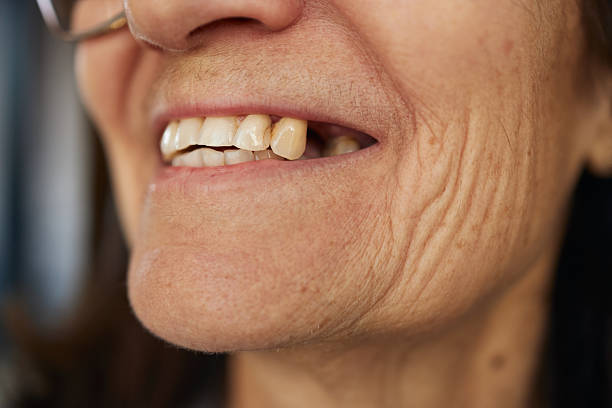
Losing a tooth would look like a small dental problem. If it is located toward the back of your mouth and is not visible when you smile. What happens under your gums could be much more serious. When you lose a tooth, the jawbone that once supported its root starts to weaken.
This process, known as jawbone deterioration or bone resorption, could affect your oral health, facial appearance, chewing ability, and future tooth replacement options.
For patients dealing with missing teeth in Chicago, understanding these changes is very important. If you have lost a tooth due to an injury, decay, or gum disease, getting professional dental advice early could help to protect your long-term oral health. Understanding Jawbone Loss After Tooth Extraction is an important step toward protecting your oral health.
Let’s understand what happens to your jawbone after tooth loss and how treatments such as dental implants could help.
What Happens to Your Jawbone After Losing a Tooth?
Your teeth do more than just help you chew and smile. Their roots are also important for keeping your jawbone healthy. Every time you bite or chew, your natural tooth roots transfer the pressure to the surrounding jawbone. This stimulation signals your body to maintain healthy bone tissue.
When a tooth is lost, that stimulation goes away. As a result, your body slowly starts to break down and reabsorb the bone in that area.
This process could cause these :
-
Reduced jawbone height and width.
-
Thinning bone around the missing tooth.
-
Changes in the shape of your gums.
-
Reduced support for nearby teeth.
Over time, the affected area would become too narrow or weak to support certain tooth replacement options without extra treatment. This condition is commonly associated with Bone Loss Due to missing teeth.
Why Does Jawbone Loss Occur After Tooth Extraction?
Jawbone loss after tooth extraction is a natural response. However, many factors could impact how quickly it happens.
Common causes include:
-
Tooth extraction: Removing a tooth destroys the root that previously connected with the jawbone.
-
Gum disease: Advanced periodontal disease damages the tissues and bone supporting your teeth.
-
Dental infections: Untreated infections could damage the near bone.
-
Long-term missing teeth: Leaving an empty space without replacement helps bone resorption to continue.
Bone changes could start within the first few months after extraction. Although the rate could be different between individuals, significant changes would develop during the first year. This is why discussing tooth replacement options with your dentist soon after losing a tooth is important.
What Are the Long-Term Effects of Leaving a Missing Tooth Untreated?
A missing tooth does not only affect the space. It could gradually change how your entire mouth functions.
Here are some problems you would experience:
Nearby Teeth May Shift
Teeth naturally depend on one another for support. When one disappears, neighboring teeth would begin to move into the empty space. This could create gaps, crowding, and bite alignment problems.
Chewing Becomes Difficult
Missing teeth could make chewing certain foods uncomfortable. You would start favoring one side of your mouth, placing additional pressure on the remaining teeth.
Speech Would Change
Depending on its location, a missing tooth could affect how you pronounce certain sounds, making everyday communication less comfortable.
Facial Look Would Change
Extensive jawbone loss could reduce the support beneath your facial tissues. Over time, this would contribute to a sunken look around the mouth and cheeks. Replacing missing teeth could help to restore oral function and support your facial structure.
Can Jawbone Loss Affect Your Eligibility for Dental Implants?
Jawbone health is one of the most important factors dentists consider when checking someone for dental implants.
A dental implant needs healthy bone to hold it securely. If too much bone has disappeared, placing an implant would become more complicated.
During a dental implant consultation, your dentist would suggest:
-
Dental X-rays to check the jawbone.
-
3D cone beam CT imaging to check bone volume and anatomy.
-
A gum health checkup.
-
A review of your medical and dental history.
Your overall health, bone density, gum condition, and lifestyle habits would also influence treatment suitability.
However, having experienced jawbone loss does not automatically mean you could not receive dental implants. Extra procedures would help to make implant treatment possible. Understanding the Dental Implant Procedure could help patients know what to expect during treatment.
How Can Dental Implants Help Preserve Jawbone Health?
Dental implants are designed to replace missing tooth roots as well as visible teeth. A small titanium implant is placed into the jawbone. As healing progresses, the bone bonds with the implant through a process called osseointegration.
Because implants transfer chewing forces to the near bone, they help to give stimulation that traditional tooth replacements could not fully reproduce.
Dental implants offer several benefits:
-
Help reduce bone loss in the implant area.
-
Restore chewing function.
-
Give stable tooth replacement.
-
Stop relying on neighboring teeth for support.
-
Improve smile, look, and confidence.
This is not like traditional dental bridges and removable dentures; implants replace the tooth root. However, they need surgery, adequate bone support, and ongoing oral hygiene. Your dentist could help to understand which option best suits your needs.
Patients searching for Dental Implants Near Me should consider their jawbone health, treatment requirements, and available tooth replacement options before making a decision.
What Is Bone Grafting, and When Might You Need It Before Dental Implants?
If you have been missing a tooth for many years, you would not have enough jawbone to support an implant. In such cases, your dentist would suggest dental bone grafting. Patients considering dental bone grafting in Chicago could discuss their bone condition and treatment requirements during a professional consultation.
Bone grafting is a procedure that adds bone material to an area where the natural jawbone has become too thin or weak. The graft material would come from your own body, a donor source, an animal-derived source, or a synthetic material.
How Does Bone Grafting Work?
The dentist places grafting material in the area that needs additional support. Over time, your body incorporates the material and develops new bone. Healing would take many months, depending on the size of the graft and your personal healing process. Once sufficient bone has developed, your dentist could recheck the area for dental implant placement.
When Should You Visit a Dentist in Chicago for Missing Teeth?
You should not wait until discomfort develops before dealing with a missing tooth.
Consider scheduling a dental check if you notice:
-
One or more missing teeth.
-
Difficulty chewing certain foods.
-
Changes in your bite.
-
Shifting or loose neighboring teeth.
-
Gum swelling or pain around the affected area.
-
Changes in facial look following extensive tooth loss.
Early consultation helps your dentist to deal with your jawbone and discuss right replacement options before additional complications develop.
During your appointment, do ask these questions:
-
How much jawbone have I lost?
-
Am I a right candidate for dental implants?
-
Would I need bone grafting?
-
What tooth replacement options are available?
-
How long would my treatment take?
Getting clear answers could help you make informed decisions about your dental health.
Why Choose Kedzie Dental Clinic for Dental Implant Consultation in Chicago?
Choosing the right dental expert is an important step to getting your smile back. Your smile and oral health are important.
Kedzie Dental Clinic, located at 6035 N Kedzie Ave, Chicago, IL 60659, United States, is a local option for patients looking for dental care and tooth replacement solutions.
If you are living with missing teeth, scheduling a consultation could help you better understand your current jawbone condition and available treatment options.
A personalized dental implant checkup could help you understand :
-
If your jawbone has sufficient support for implants.
-
Whether additional procedures, such as bone grafting, are needed.
-
Which tooth replacement approach would suit your needs.
-
What to expect during the treatment and recovery process.
Every patient’s dental needs are different. A professional examination is important before deciding on any treatment. If you are considering dental implants in Chicago, contact Kedzie Dental Clinic to discuss your concerns and explore the next steps to restoring your smile.
Conclusion: Don’t Let a Missing Tooth Become a Bigger Problem
Without natural tooth roots stimulating the jawbone, bone resorption could gradually reduce bone volume, affect nearby teeth, and complicate future dental treatments.
The good news is that modern dentistry gives solutions. Dental implants could replace missing tooth roots, while bone grafting would help patients who have already experienced significant bone loss.
The most important step is not to ignore the problem.
If you have one or more missing teeth, consider scheduling a dental evaluation at Kedzie Dental Clinic, 6035 N Kedzie Ave, Chicago, IL. Understanding your jawbone health today could help you make better decisions for a healthier and more confident smile tomorrow.