

Just imagine that you are having your favourite meal without worrying about a sudden toothache. This sounds wonderful, right? But when deep tooth decay or infection reaches the inner part of your tooth, even drinking a glass of cold water could become uncomfortable. This is where root canal therapy comes to the rescue.
A root canal is one of the most effective dental procedures for saving a badly damaged or infected tooth. Many people feel stressed out because they do not know what happens before, during, or after the treatment.
Let’s clear up the confusion and find everything you need to know about root canal therapy, including its benefits, procedure, recovery, and aftercare.
What Exactly Is Root Canal Therapy?
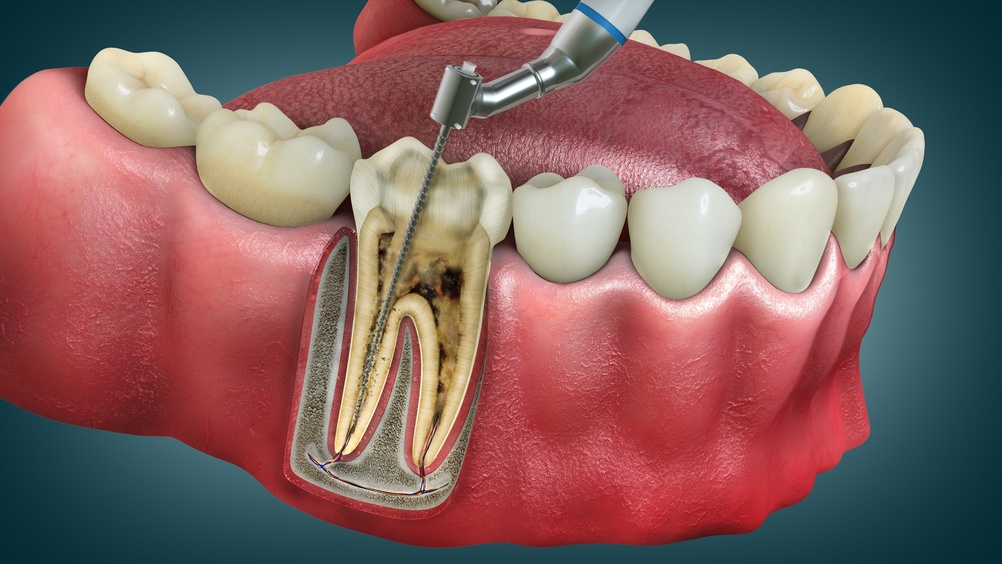
Root canal therapy is a dental procedure used to remove infected or damaged pulp from inside a tooth. The pulp contains nerves and blood vessels that help a tooth develop.
When bacteria enter the pulp due to deep cavities, cracks, or dental injuries, they could cause infection, swelling, and serious pain.
During the root canal therapy procedure, the dentist carefully removes the infected pulp, cleans and disinfects the inner tooth, and seals it with a special dental filling.
In many cases, a dental crown is placed afterward to protect the treated tooth and restore its strength. The best part? Root canal treatment could help you keep your natural tooth instead of having it extracted.
If you are searching for a reliable root canal therapy service, choosing an experienced dental clinic can help you receive the right diagnosis and treatment. Patients looking for root canal therapy near me can consult Kedzie Dental Clinic to learn about available treatment options.
5 Warning Signs That You May Need a Root Canal
Your teeth give you warning signals when something is wrong. If you neglect these signs it would cause infection to become a more serious issue.
Here are five common symptoms to watch for:
- Continuous Toothache: Pain that continues or happens without an obvious reason that would show damage inside the tooth.
- Sensitivity to hot and cold: If pain continues even after removing the hot or cold food, this could be a warning sign.
- Swollen or tender gums: Swelling around a particular tooth would show an underlying infection.
- Darkening of the tooth: A tooth that becomes grey or darker than neighbouring teeth would have suffered internal damage.
- Pain while chewing: Discomfort or pressure when biting food could indicate inflammation around the tooth.
Not every toothache needs a root canal. A proper dental examination and X-ray would help to understand the right treatment.
Understanding root canal pain vs normal toothache is also important. A normal toothache may result from cavities, sensitivity, or gum problems, while persistent pain, prolonged sensitivity, and swelling could indicate an infection inside the tooth. A dental examination is necessary to identify the actual cause.
Before Root Canal Treatment: How Should You Prepare?
Feeling nervous before a dental procedure is completely normal. However, knowing what to expect could make the experience much easier.
Here are some simple things you should do before your appointment:
- Talk about your symptoms: Tell your dentist about your pain, sensitivity, medical history, and any medications you have taken.
- Get a dental examination: Your dentist will suggest an X-ray to understand the extent of the infection.
- Eat a comfortable meal: Unless your dentist gives different instructions, you could generally eat normally before treatment.
- Follow medication advice: Take medicines only as suggested by your dentist.
- Ask your questions: Understand the treatment process, estimated appointments, and whether you would need a dental crown.
Remember, proper diagnosis and preparation help make root canal therapy safer and more comfortable.
Patients should also discuss the root canal therapy cost with their dentist before beginning treatment. The total cost may depend on the affected tooth, severity of infection, treatment complexity, and whether a dental crown is required.
What Happens During a Root Canal Procedure?
One of the biggest myths about root canal treatment is that it is extremely painful. In reality, modern dental techniques and local anaesthesia make the procedure manageable for most patients.
Here are the general root canal therapy steps:
Step 1: Examination and diagnosis
The dentist checks your tooth and would take X-rays to find out about the infection.
Step 2: Local anesthesia
The affected area is numbed to reduce the discomfort during treatment.
Step 3: Removing the infection
A small opening is made in the tooth, helping the dentist to remove the infected pulp.
Step 4: Cleaning and shaping
The root canals are carefully cleaned, disinfected, and shaped.
Step 5: Sealing the tooth
The cleaned canals are filled with a special material and sealed to protect from bacterial entry.
Step 6: Final restoration
Depending on the tooth’s condition, a permanent filling or dental crown would be suggested. The number of appointments depends on the complexity of the case and the extent of infection.
These are the common root canal therapy steps followed during the root canal therapy procedure. The treatment plan may vary depending on the patient’s dental condition.
Many patients also ask, how long does a root canal take? The duration depends on the affected tooth, the number of root canals, and the severity of infection. Some treatments can be completed in one appointment, while more complicated cases may require multiple visits.
After Root Canal Treatment: What Should You Expect?
When your root canal treatment is completed, then you could look forward to relief from the original toothache as the infection is treated. A little sensitivity around the treated tooth is common for a few days.
Patients often ask, pain after root canal how long should they expect it to last? Mild tenderness or sensitivity may continue for a few days after treatment. However, severe or worsening pain should be evaluated by your dentist.
Here is what you should know about recovery:
- Stop eating hard foods on the treated tooth until your dentist allows you to eat.
- Choose soft foods if your tooth feels sensitive.
- Brush twice daily using a soft bristled toothbrush.
- Floss gently to maintain healthy gums.
- Follow your dentist’s instructions regarding medicines and follow-up visits.
- Get the permanent filling or crown on time.
If you face pain, swelling, fever, or original symptoms, contact your dentist immediately.
Before and After Root Canal: What Is the Difference?
The improvement after root canal therapy is not just about treating an infected tooth. It is also about bringing comfort and confidence back to your everyday life.
Before treatment:
- Continuous toothache.
- Sensitivity to hot and cold.
- Facing Difficulty while chewing food.
- Gum swelling or infection.
- Pain during daily activities.
After successful treatment:
- Get Relief from infection-related pain.
- Improved comfort while eating.
- Protection of your natural tooth.
- Maintain normal oral function.
- Restoring the look when the tooth receives a right restoration.
Is Root Canal Treatment Better Than Tooth Extraction?
Whenever possible, saving your natural tooth is better than removing it. Root canal therapy helps to protect your natural tooth structure, chewing function, and bite. Extraction would be necessary when a tooth is too damaged.
Replacing an extracted tooth would also have additional treatment, such as a dental implant or bridge.
Your dentist could help you choose the most perfect option based on your dental condition.
Ready to Say Goodbye to Tooth Pain?
If you face a continuous toothache, it should never be ignored. Early treatment could help to prevent an infection from becoming more complicated and would improve the chances of saving your natural tooth. Root canal therapy is a right way to treat infection, restore comfort, and protect your smile.
Don’t let dental pain control your life. Schedule a consultation with the right dentist today, discuss your symptoms and find out if root canal treatment is right for you. A healthy smile starts with taking the right step at the right time.
If you are searching online for root canal therapy near me or a professional root canal therapy service, Kedzie Dental Clinic can help you understand your treatment needs and explore suitable dental care options.
Frequently Asked Questions
Can I travel immediately after root canal treatment?
Most patients could travel after routine root canal treatment. Focus on your comfort, follow your dentist’s advice, and stop travelling if you face pain or swelling.
Can a root canal-treated tooth get infected again?
Yes, reinfection is there if bacteria enter damaged fillings, cracks, or delayed restoration. Regular dental checkups and proper tooth protection help reduce this risk.
Will my root canal-treated tooth look different?
A treated tooth would sometimes become discoloured, particularly after trauma. Your dentist could suggest the right cosmetic options, such as a crown.
Can I brush my teeth normally after root canal treatment?
Maintain your regular oral hygiene. Brush normally around the treated area, floss completely and follow your dentist’s instructions to protect your healing tooth.
When should I contact my dentist after a root canal?
Contact your dentist if you see your pain become worse, swelling, your temporary filling falls out and your bite feels irregular. Take immediate help to protect from further dental damage.
How Much Does Root Canal Therapy Cost?
The root canal therapy cost varies depending on the tooth being treated, the complexity of the procedure, and whether additional restoration, such as a dental crown, is needed. Consult your dentist for an accurate treatment estimate.
How Long Does Root Canal Treatment Take?
If you are wondering how long does a root canal take, the answer depends on the condition of your tooth. Some procedures can be completed in one appointment, while complicated infections may require additional visits.
How Long Does Pain Last After Root Canal Treatment?
If you are concerned about pain after root canal how long, mild tenderness and sensitivity are common for a few days. If discomfort becomes severe or continues to worsen, contact your dentist for an examination.