

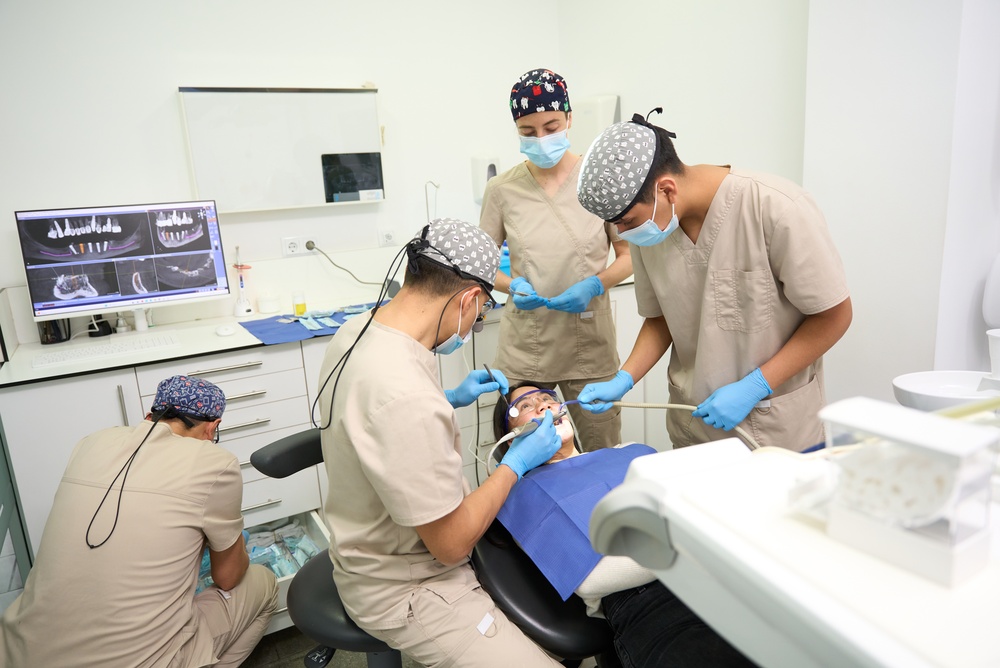
Dental implants can be a very effective way of replacing missing teeth and restoring normal oral function. Equally important, though, is an understanding of the recovery process. Knowing what to expect in the aftermath of the implant surgery will help you to get ready for the healing period, deal with any transient discomfort, and of course look after your mouth in the meantime.
At Kedzie Dental Clinic, you can talk to a dentist about your tooth replacement options and find out about the treatment process, the expected healing time, and the aftercare required. Everyone heals at a different rate, but following your professional’s advice will go a long way toward a smoother healing process.
How painful is dental implant surgery?
One of the most frequently asked questions is ‘How painful is dental implant surgery?” The surgery is normally carried out under local anesthetic to numb the area. Depending on the individual patient and the particular procedure required, other forms of pain relief may also be considered.
During the surgery, the anesthetic will, of course prevent any pain (although you may feel some pressure and movement). After the anaesthetic has worn off you may have some mild to moderate soreness, gum tenderness, swelling, and/or bruising.
Pain following implant surgery will vary depending on the number of implants, the condition of the bone and whether or not any additional procedures (e.g. bone grafting) are required. It’s usually most pronounced in the first few days and should then subside.
Your dentist may prescribe appropriate pain relief depending on your medical history and the treatment you’re having. You should follow the instructions as prescribed and get in touch with your dental professional if the pain becomes severe or if it persists.
What to Expect After Dental Implant Surgery
Understanding the normal stages of recovery can go a long way to helping you feel more prepared after treatment.
The First 24 Hours
Day 1: rest and follow the instructions from your dental team. There may be some minor bleeding, tenderness and swelling. Avoid any strenuous activity and stick to soft foods that don’t require much chewing.
Don’t touch the surgical site with your fingers or your tongue. Just follow your dentist’s instructions regarding rinsing, brushing and any medication that they prescribe.
The First Few Days
Swelling and tenderness may actually become quite noticeable before it gradually settles. Chewing may be uncomfortable so mashed potatoes, yoghurt, scrambled eggs and lukewarm soups may be suitable options (again, this will depend on your dentist’s advice).
Just keep drinking plenty of fluids and avoid putting any undue pressure on the implant site. Make sure you attend all your follow-up appointments so that your dentist can monitor your progress.
The Following Weeks
As the gum tissue heals, day to day activities will generally become more comfortable. The implant itself will still require time to osseointegrate with the surrounding jawbone.
Even if the surgical site feels better you shouldn’t assume that the implant is ready for normal chewing forces. Your dentist will let you know when it’s appropriate to return to your normal diet and normal activities.
Understanding Dental Implant Recovery Time
Dental implant recovery time will vary depending on the complexity of the treatment, the patient’s general oral health, and the individual’s healing response. Initial discomfort is generally going to be minimal and should subside within a few days. The gum tissue itself will take a few weeks to heal properly.
The actual healing process is much slower. The jawbone gradually osseointegrates with the implant (this is the process of the bone bonding to the implant), and this can take several months (typically 3 to 6 months), although again this will vary from person to person.
If the patient requires a tooth extraction, bone grafting or some other form of pre-treatment, the overall treatment program will naturally be longer. The final crown or other restoration is placed when the dental team feel the implant is sufficiently stable.
For that reason, dental implant surgery recovery should be thought of as a series of healing phases rather than a single recovery period.
The Dental Implant Healing Process Explained
The healing phase of a dental implant involves both soft tissue healing and bone healing.
First the gum tissue starts to repair itself around the surgical site. It’s important in this stage to keep the irritation under control and to maintain good oral hygiene.
Next the bone cells will slowly grow around the implant surface to secure it in the jaw. That’s what provides the basis for the replacement tooth.
Finally once the implant has healed sufficiently, the dentist can go ahead and do the planned restoration. The replacement crown, bridge or denture will be designed to restore function and meet the patient’s requirements.
Healing is assessed on an individual basis. Your dentist will carry out clinical examinations and/or dental imaging as appropriate to determine whether the implant is ready to move on to the next stage of treatment.
Essential Dental Implant Aftercare Tips
Good post-op dental implant care will help protect the surgical site and promote long term implant health. Always follow the instructions given by your dentist as they will be specific to the procedure you’ve had.
- Choose Suitable Foods
Eat soft foods in the initial phase of recovery and avoid anything that is hard, crunchy, sticky, or very hot as this could irritate the area. Progress back to your normal diet as your dental professional deems it appropriate.
- Maintain Gentle Oral Hygiene
Keep your mouth clean and be very careful not to irritate the surgical site directly. Brush your other teeth as normal and follow your dentist’s instructions as to when and how to clean around the implant.
Use any of the recommended mouth rinses as per the instructions. Don’t start any further rinsing regimes or use any products that haven’t been recommended as part of your recovery.
- Take Medication as Directed
If medication is prescribed or recommended, then of course you follow the instructions of your dentist or pharmacist. You don’t take more than the recommended dose and you don’t take any leftover antibiotics without first seeking professional advice.
- Avoid Smoking During Healing
Smoking and the use of other forms of tobacco can have a detrimental effect on oral healing and can increase the risk of implant-related complications. Ask your dental professional for advice on avoiding tobacco before and after treatment.
- Attend Follow-Up Appointments
Follow-up visits enable your dentist to examine the gums, monitor the stability of the implant and pick up on any problems early. You should keep these appointments even if the area is comfortable.
When should you contact your dentist?
A little tenderness and swelling are to be expected following implant placement, though the symptoms should in general be improving rather than getting progressively worse.
If you’re experiencing increasing pain, worsening swelling, a fever, persistent bleeding or discharge or any other symptoms that concern you in the least then get in touch with your dental professional straight away. Get urgent medical attention if you have any difficulty at all with breathing or swallowing or if you have rapidly increasing swelling around the mouth or neck.
Early assessment can help your dental team to establish whether further care is required.
Conclusion
Understanding what to expect after dental implant surgery will go a long way to making the whole process easier to cope with. There will be some degree of discomfort and swelling to be expected initially, though recovery generally proceeds through a number of stages from gum healing through to the actual osseointegration of the implant into the jawbone.
Recovery time will vary from person to person and full recovery can take many months. Adherence to professional advice, good oral hygiene, appropriate dietary choices and attending all your follow-up appointments are all key elements of successful treatment.
Kedzie Dental Clinic would urge anyone considering tooth replacement to speak to a dentist about their queries, the various treatment options available and what to expect in terms of recovery prior to committing to any treatment.
Frequently Asked Questions
- What’s the normal dental implant recovery time?
Initial soreness and swelling will generally settle down within a few days, gum healing will take a few weeks and full osseointegration of the implant into the jawbone will typically take several months. Your dentist will be able to give you an idea of the timescale for your particular case.
- How painful is dental implant surgery?
Local anaesthetic is used to numb the area being treated at the time of the implant placement. Some degree of soreness, swelling and/or tenderness is to be expected afterwards. The level of discomfort will of course vary according to the complexity of the procedure and the individual’s own healing response.
- What should I avoid after dental implant surgery?
Your dentist may advise you to avoid strenuous exercise at first, smoking, hard or crunchy foods and any activities which might disturb the surgical site. Follow your individual aftercare instructions regarding brushing, rinsing and eating.
- How can I help with the healing of the dental implant?
Just follow your dentist’s instructions, maintain good oral hygiene, eat the appropriate foods, take your medication only as prescribed, don’t smoke and make sure you attend all your follow-up appointments. All of these will help with the healing and will allow your dentist to keep an eye on your progress.
- When can I go back to eating normally after dental implant surgery?
Many patients will start off on soft foods and progressively work their way back to more substantial foods as healing proceeds. The timing of this will of course, be dependent on the procedure and the stability of the implant so you should always follow your dentist’s advice as to when you can start chewing on the area in question.
- When should I worry about pain after dental implant surgery?
Contact your dentist if pain becomes more severe instead of improving, or if it occurs with worsening swelling, fever, persistent bleeding, or discharge. Prompt evaluation can help identify complications and determine the appropriate treatment.