

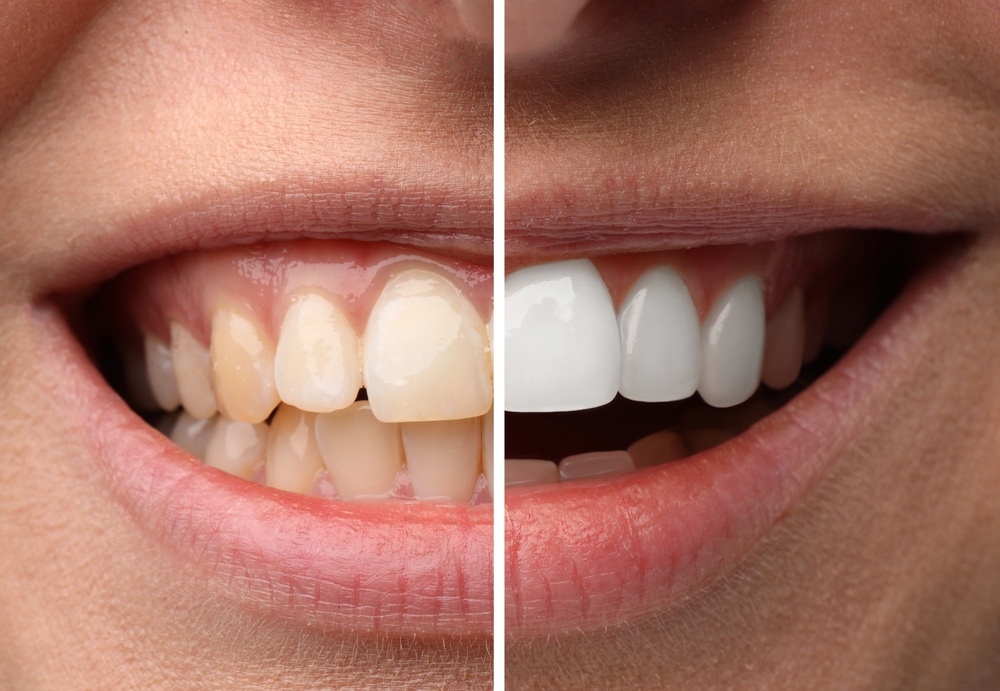
A confident smile could last a lifetime, but teeth problems like chips, marks, gaps, or curves would make you feel uneasy about showing it. Or you could consider getting dental veneers to improve your smile. But you would wonder how do veneers work, whether they look natural, feel good inside, or affect everyday life activities such as eating and talking. Your natural teeth will be seamlessly integrated with modern veneers, which is a positive development. Learn about the process of veneers, the sensation during treatment, and the duration required for adjusting to your smile. Click here to read more.
What Are Dental Veneers?
The front of your teeth is covered in custom-made, thin shells called dental veneers. Their objective is to upgrade your smile’s appearance, including its color and shape, size or overall appearance. Understanding what are veneers for your teeth can help you decide whether this cosmetic option meets your needs.
Veneers are commonly crafted from two sources:
Porcelain veneers are able to resist damage and look like natural tooth enamel. Why?
The use of tooth-coloured resin in composite veneers results in a cost-effective price. A single visit could often result in their application.
Your dentist would suggest the most appropriate treatment based on your dental health, desired smile appearance, and financial constraints.
How Do Veneers Work?
Visible flaws on the front of your teeth are hidden by dental veneers, which consist of thin, expertly crafted shells. Rather than replacing every tooth with new ones, they can create a more even and attractive smile. Learning how do teeth veneers work can help you understand how they improve your smile.
The general procedure is outlined here.
- Initial Dental Consultation.
Your journey begins with a consultation.’ Your dentist’s examination of your teeth, gums, and bite is a reliable way to determine whether veneers are effective.
You had the opportunity to address concerns like:
- Deep or stubborn tooth stains.
- Small gaps between teeth.
- Chipped or worn down teeth.
- Irregular tooth shapes.
- Minor cosmetic misalignment.
Your dentist would also take photographs, digital scans, or dental impressions to plan your smile makeover.
- Preparing Your Natural Teeth.
The dental professional typically removes a very thin layer of enamel from the front surface of traditional porcelain veneers to ensure proper hygiene. This ensures that the veneers fit in without appearing clunky.
Your teeth and the type of veneers you choose determine the amount of preparation required. In some cases, minimal or no preparation would be appropriate.
- Creating Custom Veneers.
A dental laboratory receives impressions or digital scans after the preparation of your teeth.
- The veneers are crafted to fit your:
- Natural tooth colour.
- Facial features.
- Tooth proportions.
- Desired smile look.
While the permanent porcelain veneers are being manufactured, temporary veneers will be provided.
- Bonding the Veneers.
Once your permanent veneers are prepared, their fit, shape, and color are scrutinized by your dentist.’ Your teeth will be permanently fixed to them with specialized dental cement after making crucial adjustments.
By using a curing light, the bonding material is hardened to hold the veneers in place.
The end result is a new smile that boasts improved tooth structure, color, and appearance. Understanding the veneer treatment process and reviewing the veneer treatment details can help you know what to expect at every stage.
Can Veneers feel painless after treatment?
This is a significant concern for people who are about to get veneers. Why?
When fitted properly, dental veneers should feel like a natural part of your body. Because they’re custom-made to fit your teeth, you should never feel like something painful is attached to your smile.
The first few days would involve a few minor adjustments.
What Might You Feel Initially?
Once you have veneers, you would experience:
A temporary sensitivity to hot and cold foods can cause your teeth to become sensitive.
When you close your mouth, your teeth feel different.
Minor sensitivity in the gums: Following the operation, your gum tissue may become slightly tender.
Greater sensitivity: You would initially perceive the fresh substances when conversing or eating.
Your perceptions get better as you become accustomed to your veneers.
Contact your dentist if you experience unusual bite patterns, persistent pain, or insufficient sensitivity and need to be evaluated. Small adjustments may be needed.
Would it be considered normal to converse and eat normally with merchants?
Absolutely yes. When you have properly bonded your veneers, and they settle any initial sensitivity, you should be able to speak easily for hours without fuss. If they are correctly designed and fitted, veneers typically do not have an impact on everyday speech or chewing. Protecting your veneers is important.
Here are some simple tips:
- Don’t bite into hard foods like ice or hard candy.
- Cut off pieces of hard fruits and vegetables.
- Avoid tearing open bottles or packets with your teeth.
- Be careful with sticky foods.
- Use a soft-bristled toothbrush twice daily for cleaning.
- Maintain good oral hygiene by flossing regularly.
If you grind your teeth at night, consider getting a custom night guard for your veneers from your dentist.
What is the durability of dental veneers?
Depending on the material, oral health, eating habits, and regular dental visits taken, the lifespan of veneers is variable.
Why? With proper care, porcelain veneers can last for approximately 10-15 years or more. Composite veneers are typically less durable and require more frequent maintenance. Why?
In order to extend the lifespan of your veneers:
- Brush and floss regularly.
- Schedule regular dental check-ups with your dentist.
- Stop chewing hard objects.
- Wear a night guard if advised.
- Address teeth grinding and clenching.
Remember, veneers aren’t completely maintenance-free. The proper care of your teeth is essential for keeping up with your veneers and the natural appearance beneath them.
Is it worth investing in dental veneers?
The perfect cosmetic dentistry option for healthy teeth could be the use of veneers.?…
Those possessing these characteristics should opt for cosmetic dentistry.
Discoloured teeth that are resistant to whitening. What should you avoid?
- Minor chips or cracks.
- Irregular tooth shapes.
- Small gaps between teeth.
- Cosmetic concerns about your smile.
Veneers are not suitable for all individuals. Individuals with untreated gum disease, severe tooth damage, or excessive grinding of the teeth would require additional treatment. It is best to have a professional dentist examine your options.
Enjoy an aesthetically pleasing smile that feels authentic.
Can you explain what veneers are and whether they offer a typical healing experience? By using custom-made, thin veneers, dental porcelain veneers are designed to cover any visible issues and give you a more attractive appearance. Properly arranged and fitted, they should feel comfortable, giving a natural look.
Initially, there may be some sensitivity or an unusual feeling to begin with, but most people get used to it. For those seeking a makeover, it’s best to consult with an experienced cosmetic dentist. Determine your desired dental treatment, and compare the advantages and disadvantages of porcelain and composite teeth. All this information is available online. For professional guidance, Kedzie Dental Clinic can help you explore your cosmetic dentistry options. You can also inquire about veneers and laminates near me when researching local dental services. If you are comparing other restorative options, ask your dentist about dental implant costs as part of your treatment research.
Want to boost your confidence with your smile?
Smile. Our dentists are happy to discuss your options for dental veneers, which will give you a more natural, balanced, and attractive appearance. Contact us today!
Frequently Asked Questions.
- Can teeth appear as real through dental veneers?
Yes. The appearance of natural teeth is achieved through the use of properly fitted veneers. Following a short time, most people can handle eating, speaking, and smiling with them.
- What is the average duration of time for veneers to heal and become accustomed to?
The majority of people can acclimate within several days to weeks. Despite ongoing discomfort or irregular bites, it is important to have regular dental examinations.
- Can veneers cause harm to your natural teeth?
To restore traditional veneers, a small amount of enamel must be removed, and it is usually irreversible. Achieving optimal planning and maintenance would result in veneers safeguarding the front of the treated teeth.
- Can you eat food normally with dental veneers? Are they worth it?
Veneers, you could eat most of the normal foods. Yet avoid the practice of biting firm objects, breaking cold or applying excessive pressure to your dentures.
- Which is superior, porcelain or composite veneers?
While porcelain veneers offer better stain resistance and a longer lifespan, composite laminates are more cost-effective with less preparation time. The decision is based on your dental requirements and desired smile appearance.