

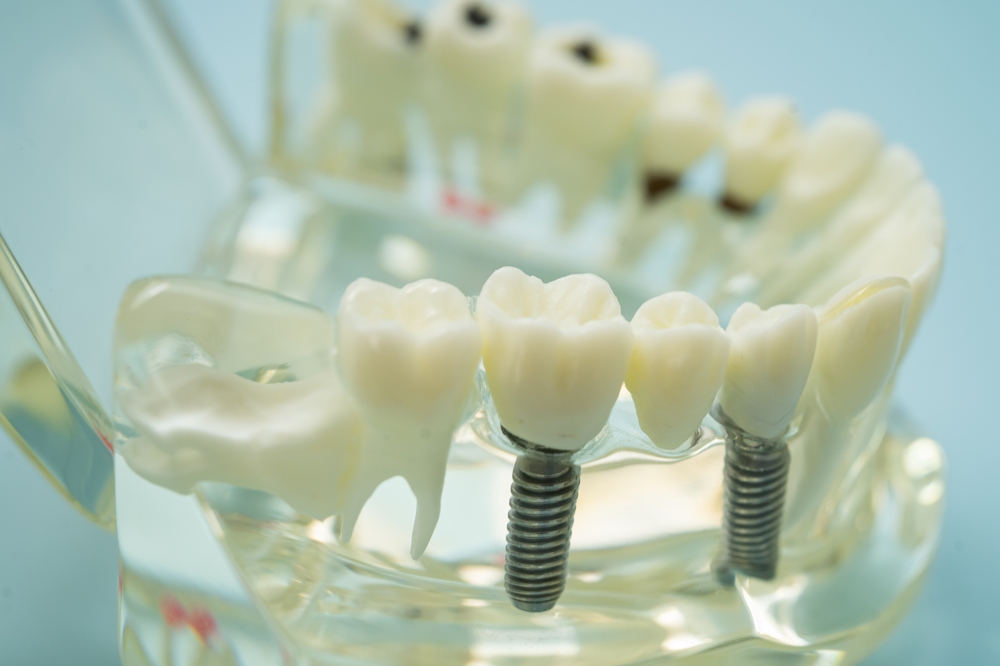
Losing most or all of your teeth could have an impact on eating, speaking, and confidence. Fortunately, modern dentistry gives many solutions for restoring your smile. One popular option is full-mouth dental implants, which can support replacement teeth when natural teeth are missing or cannot be saved.
But can dental implants replace a full set of teeth? Yes, many patients could replace an entire upper or lower arch using several strategically placed implants. The right methods depend on your jawbone, oral health, medical history, and treatment goals.
How Do Full-Mouth Dental Implants Work?
Dental implants are small posts, commonly made from titanium, that are placed in the jawbone to support replacement teeth. After healing, they could hold crowns, bridges, or dentures.
For full-mouth tooth replacement, dentists often use multiple implants to support a complete set of replacement teeth rather than placing an implant for every missing tooth.
The number of implants could be different according to bone condition, bite forces, and the restoration design. Dental imaging and a clinical examination help to understand the most suitable treatment plan.
Understanding Full Arch Dental Implants
Full arch dental implants replace an entire row of teeth in the upper or lower jaw. Many implants support a connected set of replacement teeth, giving stability during everyday activities.
Two common options are available:
Fixed Full-Arch Teeth
A fixed implant-supported bridge remains in place during normal use and is removed only by a dental professional when necessary. It could give a stable alternative to conventional dentures, although careful cleaning is important.
Implant-Supported Dentures
Implant-supported dentures attach to implants to improve retention and reduce movement compared with traditional dentures. Depending on the design, they would be removable by the patient or fixed in place. Your dentist could explain the advantages, limitations, cleaning requirements, and costs of each option.
Are Dental Implants Suitable for All Missing Teeth?
Dental implants for all teeth would be an option for adults who have lost most or all of their teeth. However, suitability must be assessed individually.
Your dentist must check:
- Jawbone volume and density.
- Gum health and active infections.
- Medical conditions and medications.
- Smoking or tobacco use.
- Oral hygiene habits and ability to attend follow-up appointments.
Bone loss does not automatically rule out implants. Bone grafting or alternative treatment approaches would be considered where they are right. Any existing gum disease should be tackle before implant surgery.
What Is the Full Mouth Dental Implants Procedure?
The full-mouth dental implants procedure generally has these stages.
Consultation and planning: Your dentist checks your mouth, reviews your medical history, and would recommend X-rays or a three-dimensional scan.
Preparation: A damaged tooth would need extraction and some oral health problems would need treatment before surgery.
Implant placement: The implants are placed in the right position in the jawbone according to the treatment plan.
Healing: The implants need time to integrate with the surrounding bone. Some patients would receive temporary teeth during this period, depending on their clinical circumstances.
Final restoration: Once the implants are sufficiently stable, the final replacement teeth are fitted and adjusted.
Treatment would take several months. Receiving temporary teeth on the day of surgery is possible for selected patients, but immediate treatment is not suitable for everyone.
Benefits and Risks of Full-Mouth Implants
Implant supported restorations could improve stability, chewing comfort, and confidence for suitable patients. Dental implants would also help preserve bone in the areas where they are placed.
However, treatment involves surgery, healing time, and financial costs. Possible complications include infection, implant failure, inflammation around implants, and injury to nearby structures.
Long term success also depends on maintenance. Brush and clean around your replacement teeth daily, follow your dentist’s instructions, and attend regular checkups. The replacement teeth would need repairs or replacement even when the implants remain stable.
How Much Does Full-Mouth Tooth Replacement Cost?
The cost could be different according to the number of implants, restoration material, surgical complexity, and location of the dental practice.
Additional expenses would contain extractions, imaging, anaesthesia, bone grafting, temporary teeth, and follow-up appointments.
Ask for a written estimate explaining what is included,if the future repairs cost extra, and which payment options are available. Comparing complete treatment plans is more useful than comparing prices alone.
Why Choose Kedzie Dental Clinic for Your Dental Consultation?
If you are researching Kedzie Dental Clinic for tooth replacement, confirm the clinic’s available services and arrange a consultation directly with the practice.
Ask about your suitability for implants, alternative treatments, expected healing time, maintenance, and total costs. A qualified dental professional could understand your individual needs and explain the options available to you.
Final Thoughts: Can Dental Implants Replace All Your Teeth?
Yes, dental implants could support a complete set of replacement teeth for many patients. Fixed bridges and removable implant-supported dentures give different benefits, and the best choice depends on your oral health, choices, and budget.
If missing teeth are affecting your everyday life, schedule a consultation with a qualified dental professional to understand your options and develop a personalised treatment plan.
FAQs
Can I get full-mouth dental implants after wearing dentures for many years?
Yes, you would qualify for implants after years of wearing dentures. However, prolonged tooth loss could reduce jawbone volume, sometimes requiring bone grafting or alternative treatments.
Will full-mouth dental implants change my facial appearance?
Full-mouth dental implants would restore lip support and facial proportions affected by missing teeth. Results depend on your bone structure, gum contours, and replacement teeth design.
Can I get full-mouth dental implants if I grind my teeth at night?
Yes, some people who grind their teeth could receive implants. However, excessive pressure would damage restorations, so dentists would recommend night guards and regular monitoring.
What happens if one implant fails after my full-mouth restoration?
One failed implant does not always require replacing the entire restoration. Your dentist would understand the cause and would recommend removal, healing, and possible implant replacement.
Can full-mouth dental implants affect my ability to undergo MRI scans?
Most dental implants do not prevent MRI scans. However, inform your radiology team about your implants and other devices so they could verify compatibility and make sure safety.