

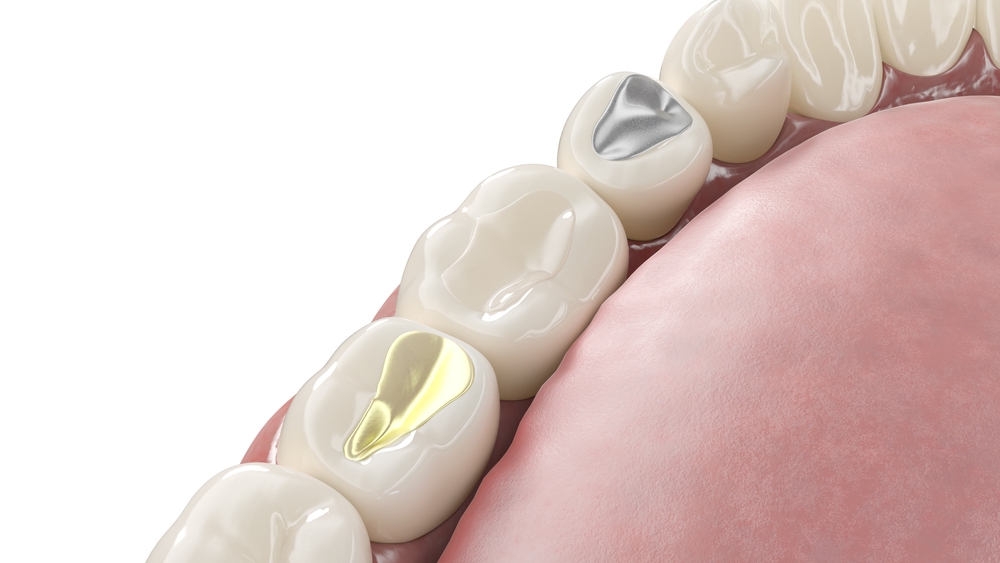
Choosing a dental filling involves more than deciding how your tooth would look after treatment. The material could affect the look of your smile. The amount of healthy tooth structure preserved and how well the restoration handles everyday chewing.
Two common options are tooth-colored composite fillings and traditional silver-colored amalgam fillings. Both could treat cavities, but each has advantages and limitations that would make it more suitable for certain teeth. Understanding Tooth-Colored vs. Silver Fillings could help you make an informed decision with your dentist.
So, are tooth-colored fillings better than silver fillings? The answer depends on the size and location of the cavity, your dental health, your medical history, and your preferences. This guide explains the differences to help you have an informed discussion with your dentist.
What Are Tooth-Colored Fillings?
Tooth-colored fillings are commonly made from composite resin, a restorative material containing resin and fine glass particles. The dentist selects a shade that closely matches the surrounding tooth, helping the filling blend naturally with your smile.
To place a composite filling, the dentist removes the decayed portion of the tooth and prepares the area. The resin is then placed and hardened using a curing light, often in layers. Finally, the dentist shapes and polishes the restoration to create a comfortable bite.
Composite dental fillings are used for cavities in front teeth and back teeth. They would also be suitable for repairing certain small chips or worn areas, depending on the condition of the tooth.
Benefits of tooth-colored fillings
- Natural appearance: The material could be matched to the color of your teeth.
- Conservative preparation: Bonding would help the dentist to preserve more healthy tooth structure in suitable cases.
- Versatility: Composite resin could restore many types of cavities and selected minor tooth defects.
- Discreet results: The restoration does not have the noticeable metallic appearance of amalgam.
These are some of the main benefits of tooth-colored fillings. However, composite fillings require careful placement. Moisture control is particularly important because contamination could interfere with bonding.
What Are Silver Fillings?
Traditional silver-colored fillings are usually made from dental amalgam. This material combines elemental mercury with a powdered metal alloy containing silver, tin, and copper. Mercury helps bind the alloy into a durable filling material.
Despite their familiar name, silver fillings are not made from silver alone. Amalgam has been used for many years, especially in back teeth exposed to substantial chewing forces. It is durable and could be useful in certain situations where placing a bonded resin restoration is challenging.
Benefits of amalgam fillings
- Durability: Amalgam could considerably chewing forces and would be suitable for some large restorations.
- Placement flexibility: It could be useful in selected situations where moisture makes composite bonding difficult.
- Established use: Dental amalgam has a long history of clinical use.
- Potentially lower cost: Amalgam would cost less than composite resin, although actual prices would vary by dental practice and location.
Its main cosmetic disadvantage is its metallic color. Amalgam also contains mercury, which is an important consideration when discussing treatment options with your dentist.
Tooth-Colored vs. Silver Fillings: Key Differences
=================================================================
Understanding the practical differences could help you decide which questions to ask before treatment.
| Feature | Tooth-colored composite | Silver-colored amalgam |
| Appearance | Blends with natural teeth | Noticeable metallic color |
| Bonding | Bonds to prepared tooth surfaces | Does not bond in the same way |
| Tooth preparation | May preserve more healthy structure | Preparation would need a different approach |
| Chewing forces | Suitable for many cavities; performance depends on the restoration | Useful for some large restorations under heavy forces |
| Placement | Needs careful moisture control | Can be useful in selected situations where moisture control is difficult |
| Cost | Often more expensive | Generally less expensive |
| Material composition | Resin and fine glass particles | Mercury and a metal alloy |
Neither material is the best choice for every cavity. The dentist must consider the remaining tooth structure, the location of the damage, and the conditions in which the filling would be placed.
Are Tooth-Colored Fillings Strong Enough for Back Teeth?
Yes. Composite fillings could be used in many back teeth, including molars, when the cavity and placement conditions are suitable.However, molars experience substantial pressure during chewing. The size of the restoration, the amount of remaining tooth structure, your bite, and habits such as teeth grinding could influence how well a composite filling performs over time.
Amalgam would be advantageous for certain large restorations or situations where moisture control is difficult. For extensive damage, your dentist would also discuss other restorative options, such as an indirect restoration or a crown, depending on how much healthy tooth remains. The best material is the one that gives the right balance of strength, tooth preservation, appearance, and long-term function for your particular situation.
Are Silver Amalgam Fillings Safe?
Dental amalgam releases small amounts of mercury vapor. According to the US Food and Drug Administration (FDA), available evidence has not built conclusive evidence of harmful health effects from dental amalgam in the general population. However, uncertainty remains about potential risks for certain groups.
The FDA recommends non-amalgam alternatives, when right, for people who would be more susceptible to mercury exposure. These groups like:
- Women who are pregnant or planning to become pregnant.
- Nursing mothers and their infants.
- Children, particularly those younger than six years.
- People with impaired kidney function or certain neurological conditions.
- People with known sensitivity or allergies to mercury or other amalgam components.
If any of these circumstances apply to you, discuss your medical history and available filling materials with your dentist before treatment.
This does not mean that everyone with an existing silver filling needs to have it removed. The FDA does not suggest removing an intact amalgam filling without a medical reason, because removal could sacrifice healthy tooth structure and temporarily increase exposure to mercury vapor. You could read the FDA’s guidance on dental amalgam fillings for further information.
How Long Do Tooth-Colored and Silver Fillings Last?
Both composite and amalgam fillings could give effective treatment, but neither lasts forever.
The lifespan of a filling depends on many factors, like
- The size and location of the restoration.
- The amount of healthy tooth structure remaining.
- Your chewing forces and bite.
- Oral hygiene and the risk of developing new cavities.
- Habits such as grinding your teeth or chewing hard objects.
- The quality of placement and regular dental care.
Composite fillings would be more vulnerable to wear or fracture in some high-stress situations. Amalgam could give greater durability in certain large restorations, although its performance also depends on the condition of the tooth and the quality of the restoration.
Rather than assuming that one material would last a specific number of years for everyone, ask your dentist about the expected performance of the suggested filling in your tooth.
Regular checkups could help identify wear, cracks, or recurrent decay before they lead to more extensive damage.
How Much Do Tooth-Colored and Silver Fillings Cost?
The cost of a dental filling could be different according to the material, the size and depth of the cavity, the tooth being treated, and the dental clinic’s fees.The Composite dental fillings cost could be higher than that of amalgam fillings, but the actual price depends on the treatment needed. The suitability of the material, the expected function of the restoration, and the possibility of needing further treatment are also important.
Dental insurance coverage, where available, would differ depending on the plan and the recommended material. If you are researching Dental fillings in Chicago, IL, compare treatment estimates from qualified dental professionals and ask what each estimate includes. The cost would be different depending on the tooth, cavity size, material, and any additional procedures.
Should You Replace an Old Silver Filling With a Tooth-Colored One?
An old silver filling does not need to be replaced simply because it looks different from your natural teeth.Your dentist could check the restoration and surrounding tooth for signs of damage, such as cracks, worn edges, looseness, or new decay. An X ray would be suggested when clinically to understand areas that could not be checked fully during a visual examination.
If the filling is intact and there is no underlying problem, replacement would give little benefit while removing additional tooth structure.The decision should be based on the tooth’s condition and your individual needs, rather than look alone.
Which Filling Is Better for Your Smile?
Tooth-colored composite fillings are generally a good choice when look is important and the cavity is suitable for resin. They could blend with natural teeth and would help you take a conservative approach to tooth preparation.
Silver-colored amalgam fillings could remain useful in selected situations, particularly where durability under heavy chewing forces or challenging placement conditions is a concern. Their metallic look and mercury content are important considerations when comparing options.
If you are looking for composite fillings near me or dental fillings near me, choose a dental professional who could check your tooth and explain which restoration is right.. Patients researching composite tooth-colored fillings in Chicago, IL should also consider the dentist’s experience, the treatment options available, and the condition of the tooth rather than choosing based on look alone.
For patients considering restorative dental care, Kedzie Dental Clinic could be included as a local point of contact if it is the clinic publishing this article. Contact the clinic to ask about available filling materials, consultation appointments, and treatment costs.
Frequently Asked Questions
Are tooth-colored fillings better than silver fillings?
Tooth-colored fillings are generally preferred for their natural look and conservative preparation. Silver amalgam could be useful for certain larger restorations or situations involving heavy chewing forces. The most correct option depends on the tooth and the patient’s circumstances.
Do composite fillings cost more than silver fillings?
Composite fillings often cost more than amalgam, but prices would be diffrnet by clinic, cavity size, tooth location, and other treatment requirements. Ask your dentist for an estimate before proceeding.
Can you get a tooth-colored filling on a molar?
Yes. Composite resin could restore many molars, given the cavity, remaining tooth structure, and placement conditions are suitable. Larger or heavily loaded restorations would need other options.
Can I eat immediately after a composite filling?
Composite resin is hardened during placement, but your dentist would give specific instructions based on the treatment performed. If your mouth is still numb, avoid chewing until normal sensation returns to reduce the risk of biting your cheek or tongue.
Can an old silver filling be replaced with a white filling?
Sometimes. Your dentist would assess the existing filling, the amount of healthy tooth remaining, and whether composite resin is suitable. An intact amalgam filling generally does not need replacement solely for cosmetic reasons.