

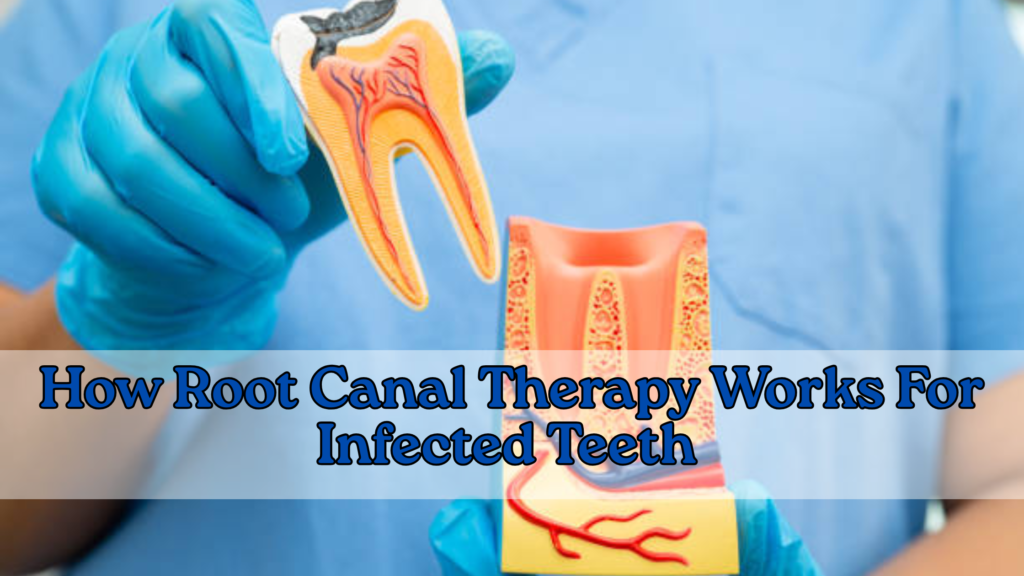
If you face continuous pain, it could interfere with eating, sleeping, working, and enjoying everyday life. When the soft tissue inside a tooth becomes inflamed or infected, root canal therapy is recommended to remove the damaged tissue, clean the root canals, and preserve the natural tooth. Root Canal Therapy for Infected Teeth
At Kedzie Dental Clinic, we want patients to understand what happens during treatment and why it is important. This guide explains the signs of a potentially infected tooth, how root canal treatment works, what recovery would involve, and when to seek dental care.
What Is Root Canal Therapy?
Root canal therapy, also called endodontic treatment, is a procedure used to treat inflammation or infection affecting the pulp inside a tooth.
The pulp contains nerves, blood vessels, and connective tissue. Deep decay, cracks, repeated dental procedures, or trauma could damage this tissue and help bacteria to cause inflammation or infection.
During treatment, the dentist removes the affected pulp, cleans and disinfects the root canals, shapes the spaces, and seals them with a filling material. The tooth could then be restored so it could continue functioning in your mouth. The goal is to save the natural tooth whenever it could be predictably restored rather than removing it unnecessarily. Root canal treatment benefits
What Causes a Tooth to Need a Root Canal?
Several problems could damage the pulp and eventually need endodontic treatment, like:
- Deep tooth decay
- A cracked, chipped, or fractured tooth
- Repeated dental procedures on the same tooth
- Dental trauma, even when no obvious crack is visible
- Other damage that helps bacteria to reach the pulp
If inflammation or infection is left untreated, it could cause significant pain and would develop into an abscess affecting tissues around the tooth. Tooth infection treatment can help address problems caused by infection inside a tooth.
Signs You May Need Root Canal Treatment
Not every toothache means you need a root canal. Similar symptoms could happen with cavities, cracked teeth, gum problems, or other dental conditions, so an examination is necessary to identify the cause.
Possible warning signs like:
- Persistent tooth pain
- Pain when biting or chewing
- Sensitivity to hot or cold that lingers after the stimulus is removed
- Swollen or tender gums near the affected tooth
- A small pimple or bump on the gum
- Tooth discoloration
- Deep decay or a known crack
- Pressure or discomfort around a particular tooth
Some infected teeth cause few symptoms, so the absence of severe pain does not necessarily rule out a problem. Your dentist would use clinical examination and dental X rays to understand what is happening. Infected tooth treatment
How Does a Root Canal Work?
Every case is different; root canal treatment generally follows several stages. Root canal procedure
1. Examination and diagnosis
Your dentist reviews your symptoms, examines the tooth, and takes dental X-rays. These images could help to understand the roots, surrounding bone, and possible sources of infection or damage. Your dentist would then explain the diagnosis and discuss right treatment options.
2. Local anesthesia
The tooth and surrounding area are numbed with local anesthetic before treatment begins. This helps you remain comfortable throughout the procedure. If dental treatment makes you anxious, tell your dental team beforehand. They could discuss the right ways to make the appointment more manageable.
3. Isolating the tooth
A protective dental dam is typically placed around the tooth. It helps isolate the treatment area and keep the tooth clean and protected from saliva during the procedure.
4. Creating access to the canals
The dentist makes a small opening through the top of the tooth to reach the pulp chamber and root canals.
5. Removing the damaged pulp
Specialized instruments are used to remove infected pulp from inside the tooth. The dentist then cleans the internal spaces to reduce bacteria and prepare them for sealing.
6. Cleaning and shaping the canals
The root canals are carefully cleaned, disinfected, and shaped. This creates a suitable space for the filling material and helps reduce the risk of persistent infection
7. Filling and sealing
The cleaned canals are filled with a biocompatible material and sealed. Depending on the treatment plan, a temporary filling would be placed before the tooth receives its final restoration. Root canal treatment could often be completed in one or two appointments, although the number and length of visits depend on the tooth and the complexity of the case.
Does Root Canal Treatment Hurt?
The idea that root canals are extremely painful is largely based on outdated experiences. Modern root canal treatment is performed using local anesthesia, and most patients report being comfortable during the procedure. You would experience little tenderness or sensitivity afterward, particularly if the tooth was already painful or infected. This usually improves as the surrounding tissues heal. Root canal pain relief
Contact your dentist if you experience severe or worsening pain, significant swelling, or symptoms that do not improve as expected.
What Happens After a Root Canal?
Your mouth would remain numb for several hours after treatment. Avoid chewing until normal sensation has returned so you do not accidentally bite your cheek, tongue, or lip. Until the tooth has received its final restoration, your dentist would recommend avoiding hard or heavy chewing on that tooth. Continue brushing and flossing while following the specific instructions given by your dental team. A permanent restoration is an important part of completing treatment. Depending on the tooth’s location and remaining structure, this would involve a crown or another suitable restoration.
Does Every Root Canal Need a Crown?
Not every tooth treated with a root canal needs the same restoration.
Back teeth, such as molars and premolars, generally experience greater chewing forces and commonly need a crown to protect the remaining tooth structure. Some front teeth would be restored differently depending on how much healthy structure remains and the specific clinical situation.
Your dentist could recommend the right restoration after evaluating the tooth.
Root Canal or Tooth Extraction: Which Is an Option?
When a tooth could be predictably restored, root canal treatment could give a way to preserve the natural tooth. Keeping the tooth would help maintain normal chewing function and avoid the need to replace a missing tooth.
However, root canal therapy is not appropriate for every situation. Extraction would be considered when a tooth cannot be adequately restored, has severe structural damage, or lacks sufficient support.
If extraction is recommended, your dentist could discuss possible replacement options. The decision should be based on the condition of the tooth, surrounding tissues, overall oral health, and your individual treatment needs.
When Should You Seek Urgent Dental Care?
Continuous dental pain should not be neglected, especially when accompanied by swelling. Look for immediate dental checkup if you develop worsening pain, facial or gum swelling, fever, or drainage around a tooth.
Difficulty breathing or swallowing, rapidly increasing facial swelling, or significant swelling around the mouth or neck needs urgent medical attention. Early checkup could help identify the cause and understand if root canal treatment, another dental procedure, or a different approach is right. Emergency Root Canal Treatment
How Can You Protect a Root Canal-Treated Tooth?
Root canal treatment understands the damaged tissue inside the tooth, but the restored tooth still needs normal oral care.
To protect your teeth:
- Brush twice daily with fluoride toothpaste.
- Clean between your teeth regularly.
- Attend routine dental examinations.
- Complete recommended restorative treatment promptly.
- Avoid using your teeth to open packages or bite unnecessarily hard objects.
- Contact your dentist if pain, swelling, or other unusual symptoms return.
A properly treated and restored tooth could remain functional for many years, and some root canal treated teeth could last a lifetime with right care.
Protect Your Natural Tooth With Timely Dental Care
A persistent toothache, lingering temperature sensitivity, or swelling could signal a problem that needs professional attention. Getting the tooth checked early gives your dentist an opportunity to identify the cause and discuss appropriate treatment options.
If you are experiencing symptoms of a potentially infected or damaged tooth, contact Kedzie Dental Clinic to schedule an evaluation. Our dental team could understand your symptoms, explain your treatment options, and help you understand whether root canal therapy would be right for preserving your natural tooth. Root Canal Dentist in Chicago,IL
If you are searching for root canal treatment near me, a dental evaluation can help determine the appropriate treatment for your symptoms.
Frequently Asked Questions About Root Canal Therapy
Is root canal treatment painful?
A root canal is generally performed with local anesthesia, so you should not feel pain during treatment. Little soreness or sensitivity afterward could happen for days as surrounding tissues heal.
Does every root canal require a crown?
Not necessarily. Molars and premolars often need crowns because they handle substantial chewing forces, while some front teeth would be restored with other options depending on remaining structure and damage.
What are common signs of needing a root canal?
Common warning signs include lingering hot or cold sensitivity, pain when biting, swelling, tenderness, a gum pimple, deep decay, or tooth discoloration. These symptoms need professional evaluation to understand the cause.
When might extraction be recommended instead?
A dentist would suggest extraction when a tooth cannot be predictably restored, has serious structural damage, or lacks support. Treatment choices depend on individual findings and overall oral health needs.